Destinations
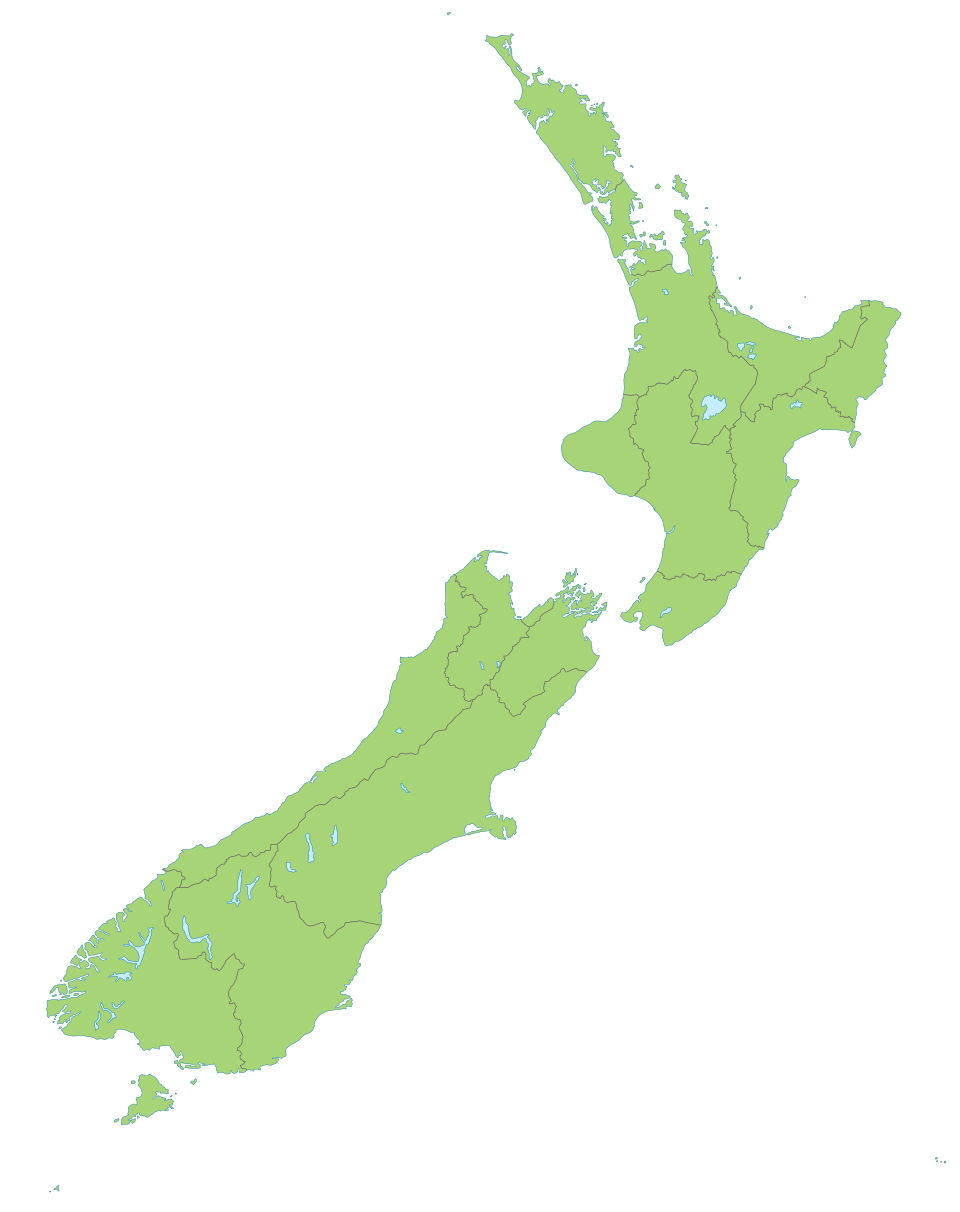
New Zealand may look small on a map, but each region offers a different window into the country’s culture, economy, landscape, and way of life.
Bridge South programs are customised around each university’s goals, but many itineraries are built around a combination of major cities, regional centres, cultural landmarks, and natural environments. From Auckland’s global business connections to Rotorua’s geothermal and Māori cultural significance, each destination adds a different layer to the student experience.

Auckland
Auckland is New Zealand’s largest city and the country’s main international gateway. Built around two harbours, volcanic cones, islands, and a highly diverse population, Auckland gives students an immediate introduction to modern New Zealand.
As the country’s largest commercial centre, Auckland is a natural starting point for programs focused on business, trade, entrepreneurship, sport, tourism, logistics, and urban development. It is also one of the most multicultural cities in the country, making it a useful place to explore how New Zealand connects with the wider Pacific, Asia, and global economy.
Rotorua
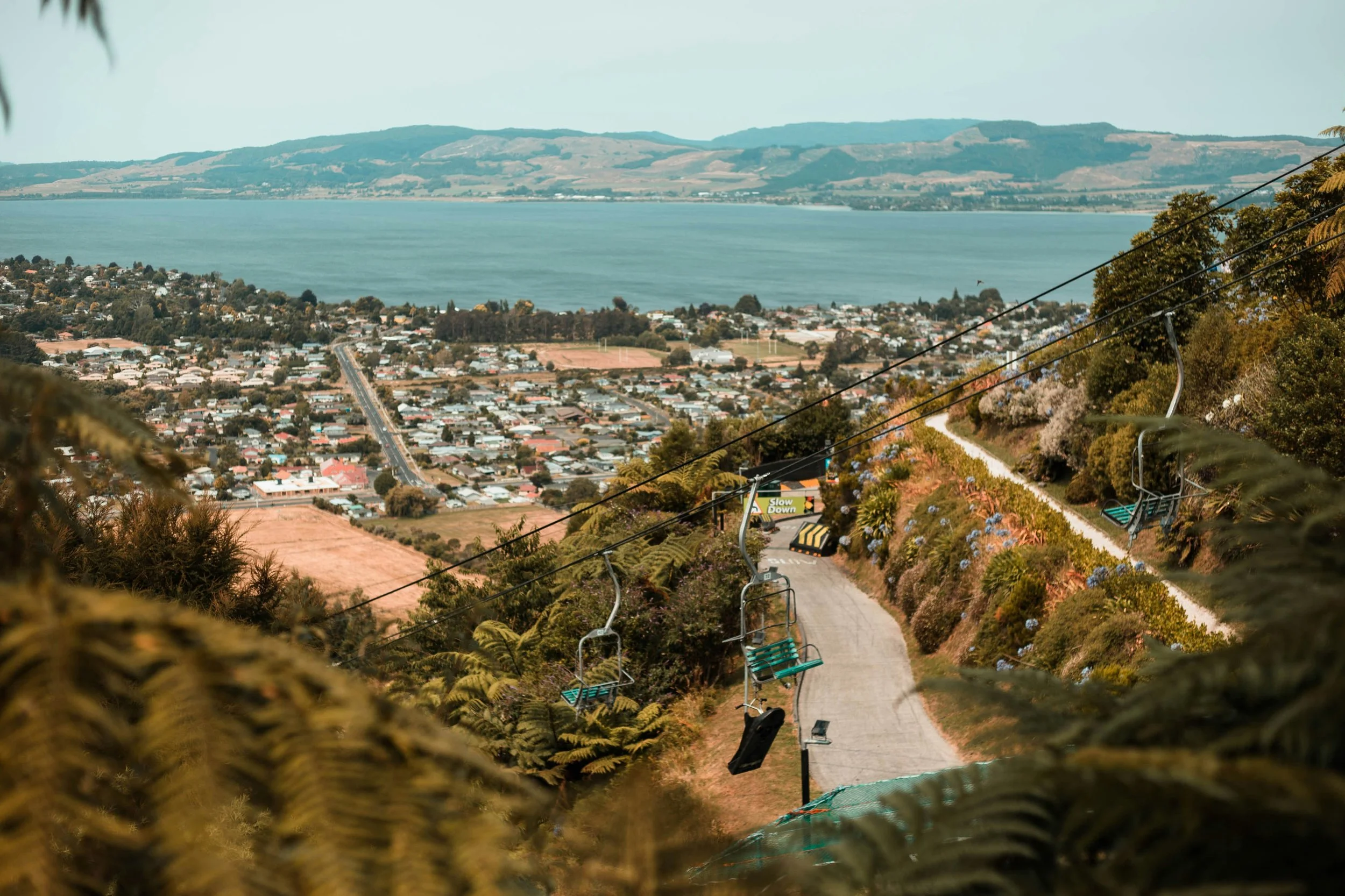
Rotorua is one of New Zealand’s most distinctive destinations, known for its geothermal activity, Māori cultural significance, lakes, forests, and tourism economy.
The city sits within one of the world’s most active geothermal regions, with steam vents, hot springs, mud pools, and volcanic landscapes shaping both the natural environment and local identity. Rotorua is also an important centre for Māori culture and history, making it a meaningful destination for students learning about Aotearoa New Zealand beyond the surface level.
Matamata
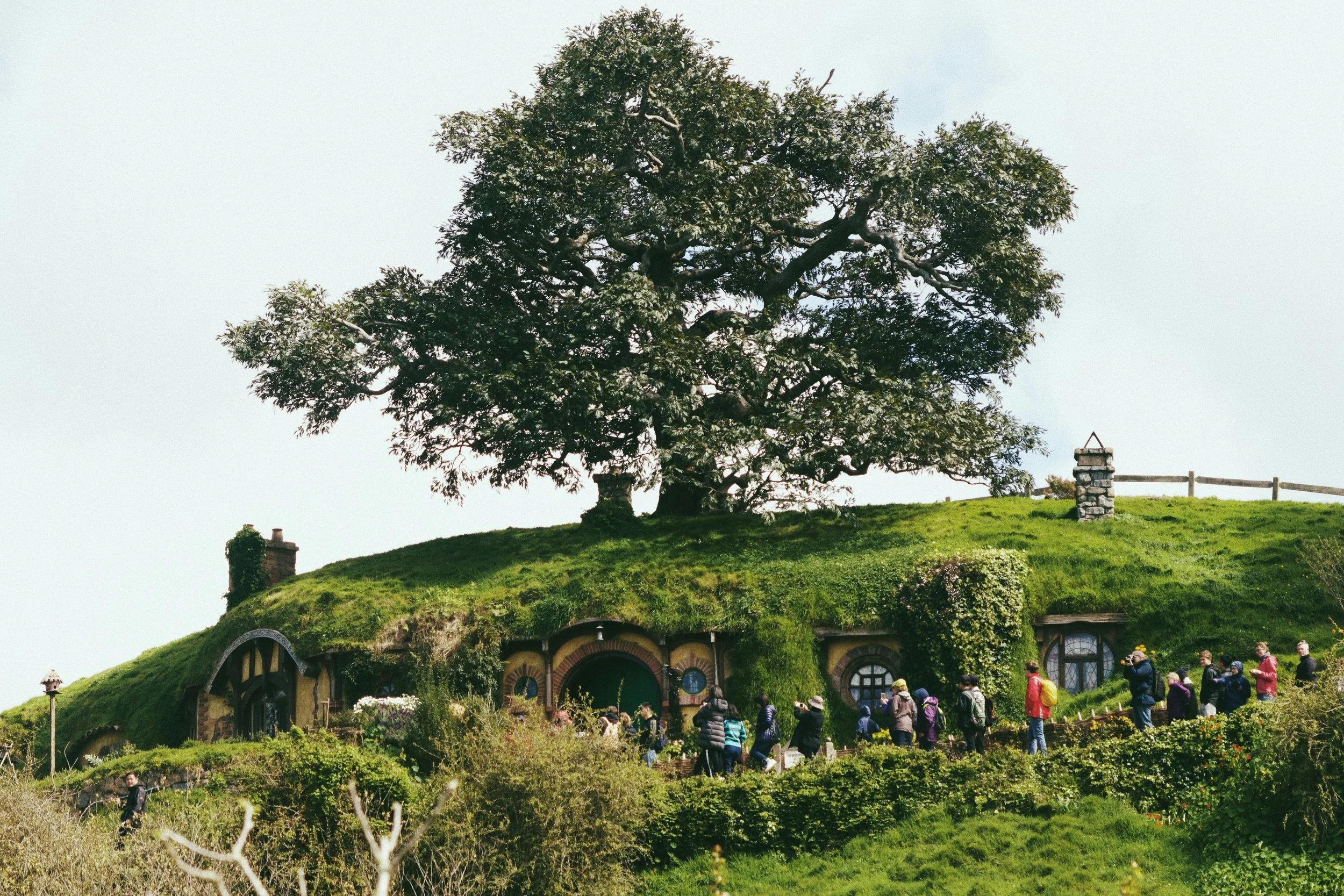
Matamata is a small Waikato town surrounded by rolling farmland and rural landscapes. It is best known internationally as the home of Hobbiton Movie Set, but the town also gives students a glimpse into regional New Zealand life beyond the major cities.
For visitors, Matamata often becomes a memorable stop because it connects New Zealand’s agricultural identity with its global film and tourism reputation. It is a useful example of how a small rural community can become internationally recognised through storytelling, place branding, and visitor experience.
Tauranga
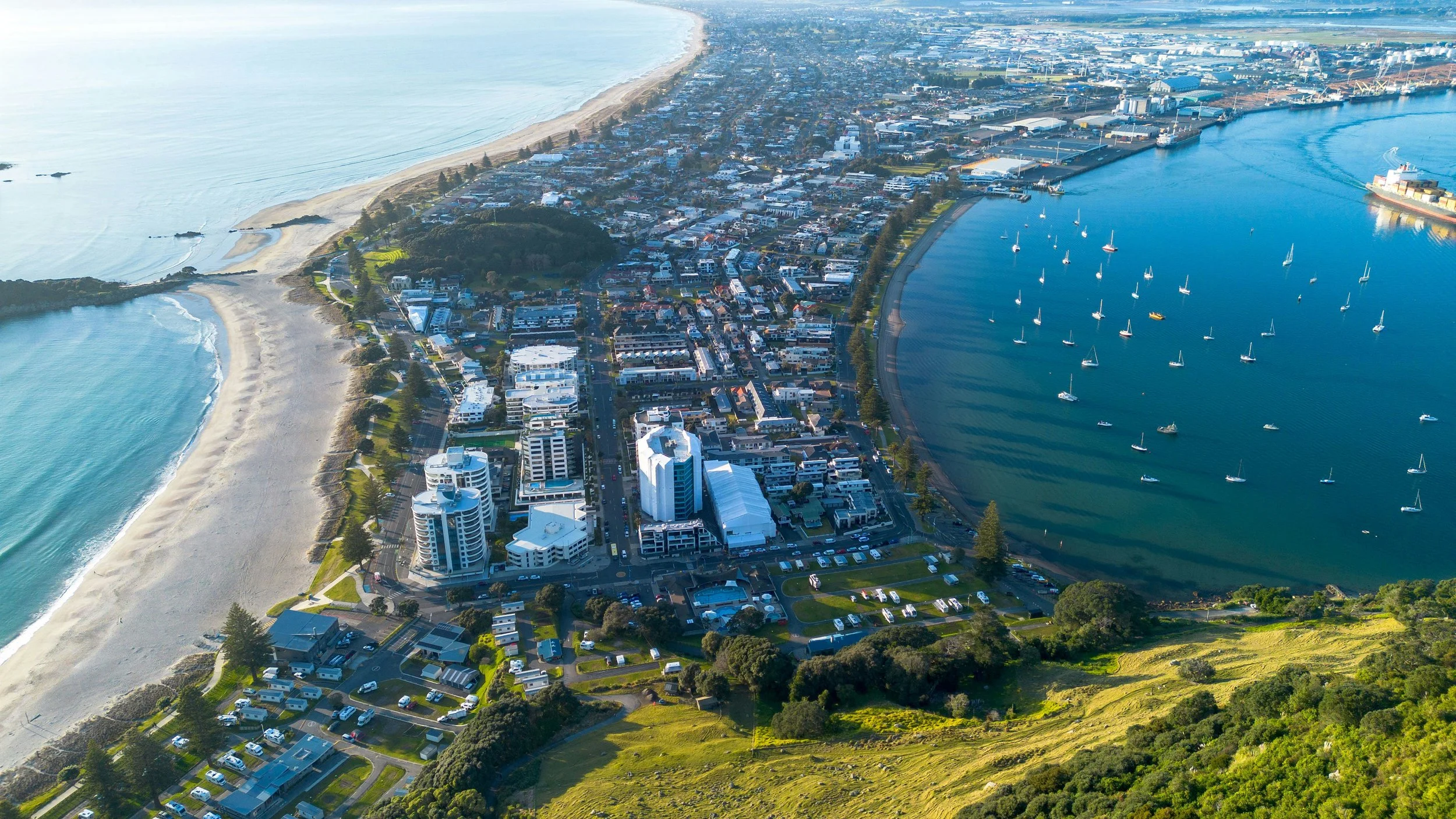
Tauranga is a fast-growing coastal city in the Bay of Plenty, known for its harbour, beaches, marine environment, and strong regional economy.
The city is closely connected to trade, logistics, horticulture, tourism, and coastal lifestyle. Its location near the Port of Tauranga, one of New Zealand’s most important freight gateways, makes the region especially relevant for programs interested in supply chain, exports, international business, and regional economic development.
Wellington
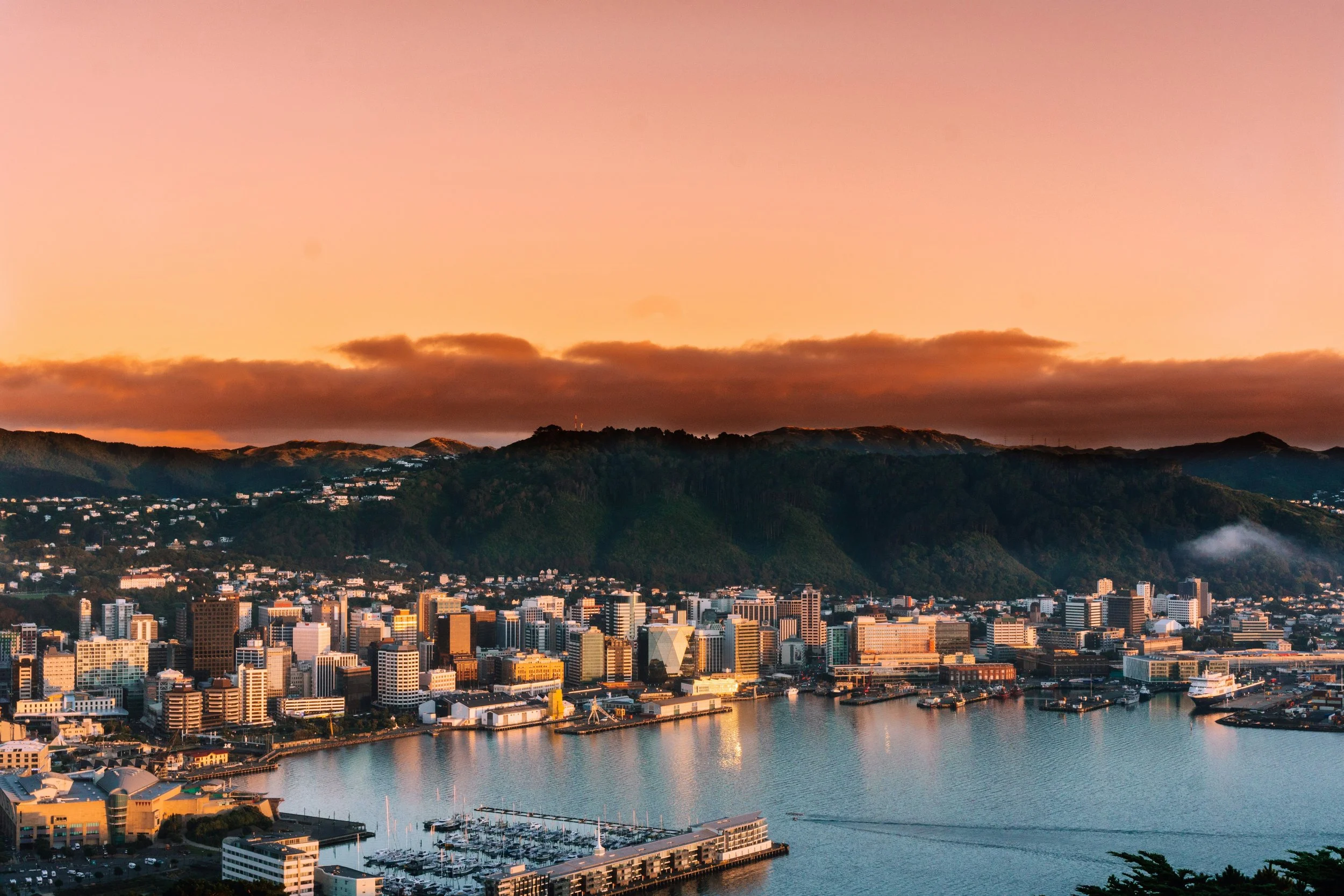
Wellington is New Zealand’s capital city and the centre of government, public policy, national institutions, and creative industries.
Set between hills and harbour, Wellington is compact, walkable, and known for its arts, food, film, politics, and strong cultural identity. It is home to Parliament, national museums, major public agencies, and a well-known creative sector, making it a valuable destination for programs interested in policy, culture, media, sustainability, public leadership, or national identity.
Christchurch
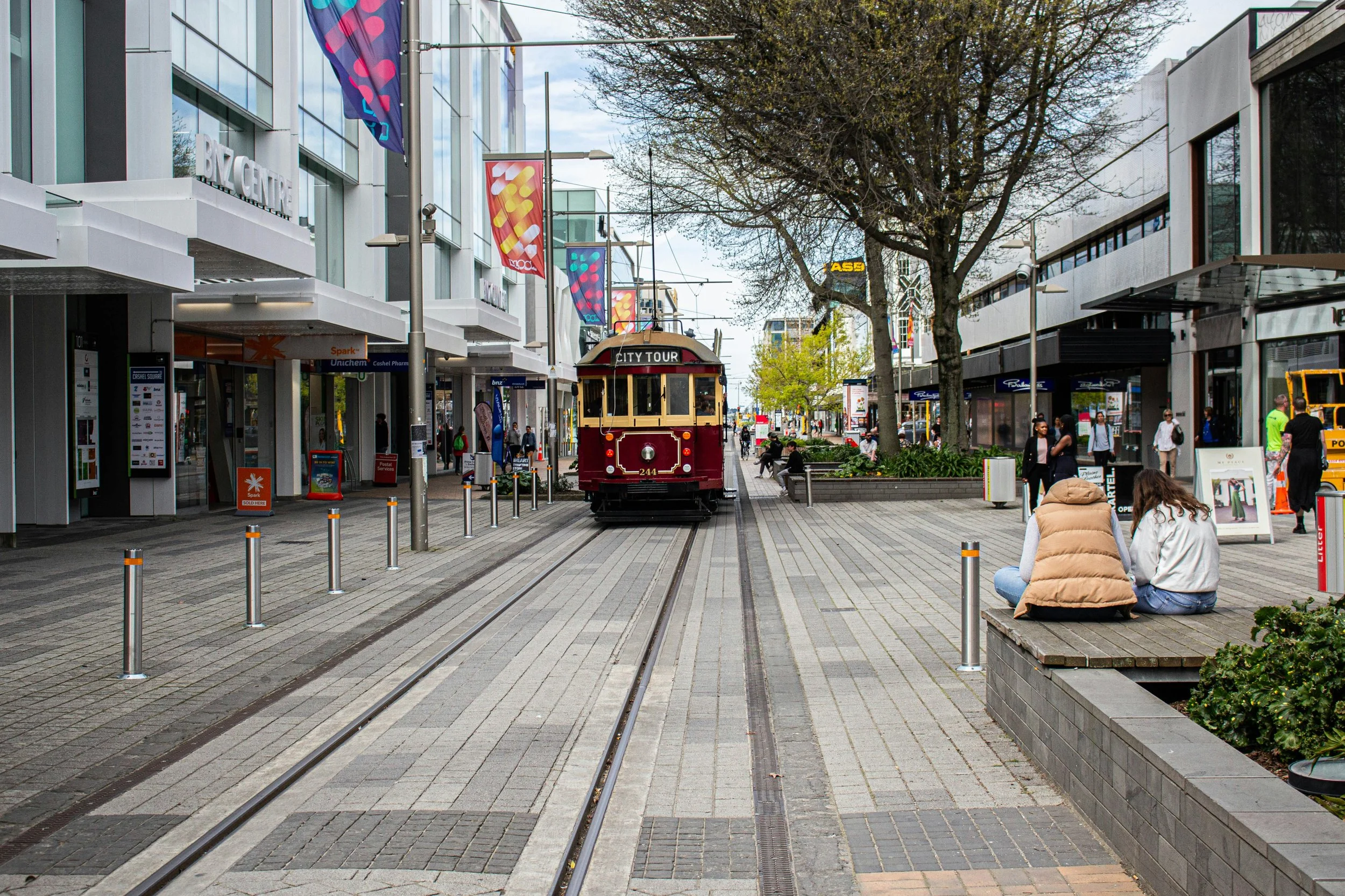
Christchurch is the largest city in the South Island and a major centre for innovation, rebuilding, agriculture, technology, and Antarctic connections.
Following the Canterbury earthquakes, Christchurch has become a powerful example of urban recovery, resilience, and redevelopment. The city blends English heritage, modern design, green spaces, and emerging industries. For students, Christchurch offers a meaningful setting to explore how cities respond to disruption and rebuild with new ideas.
Queenstown
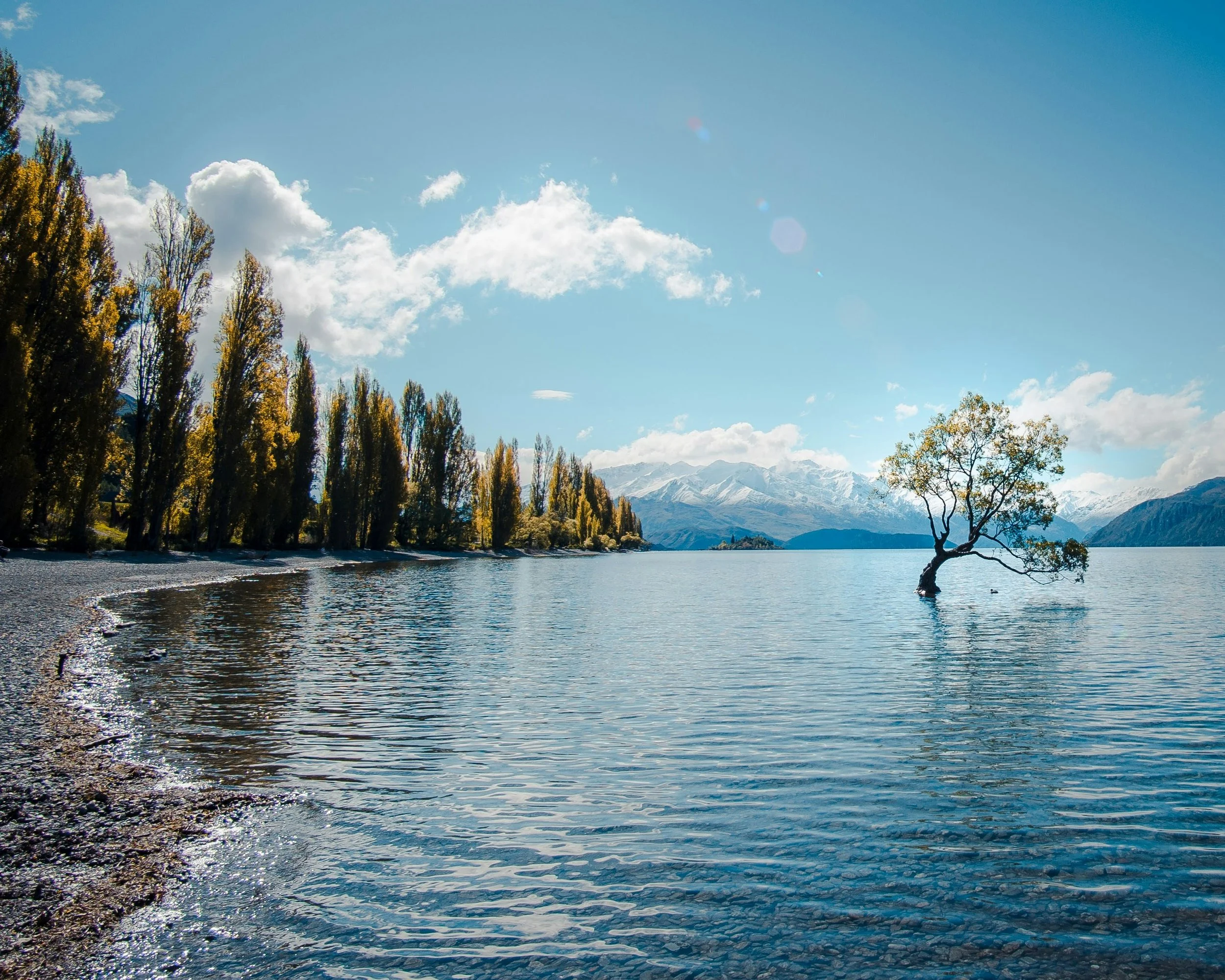
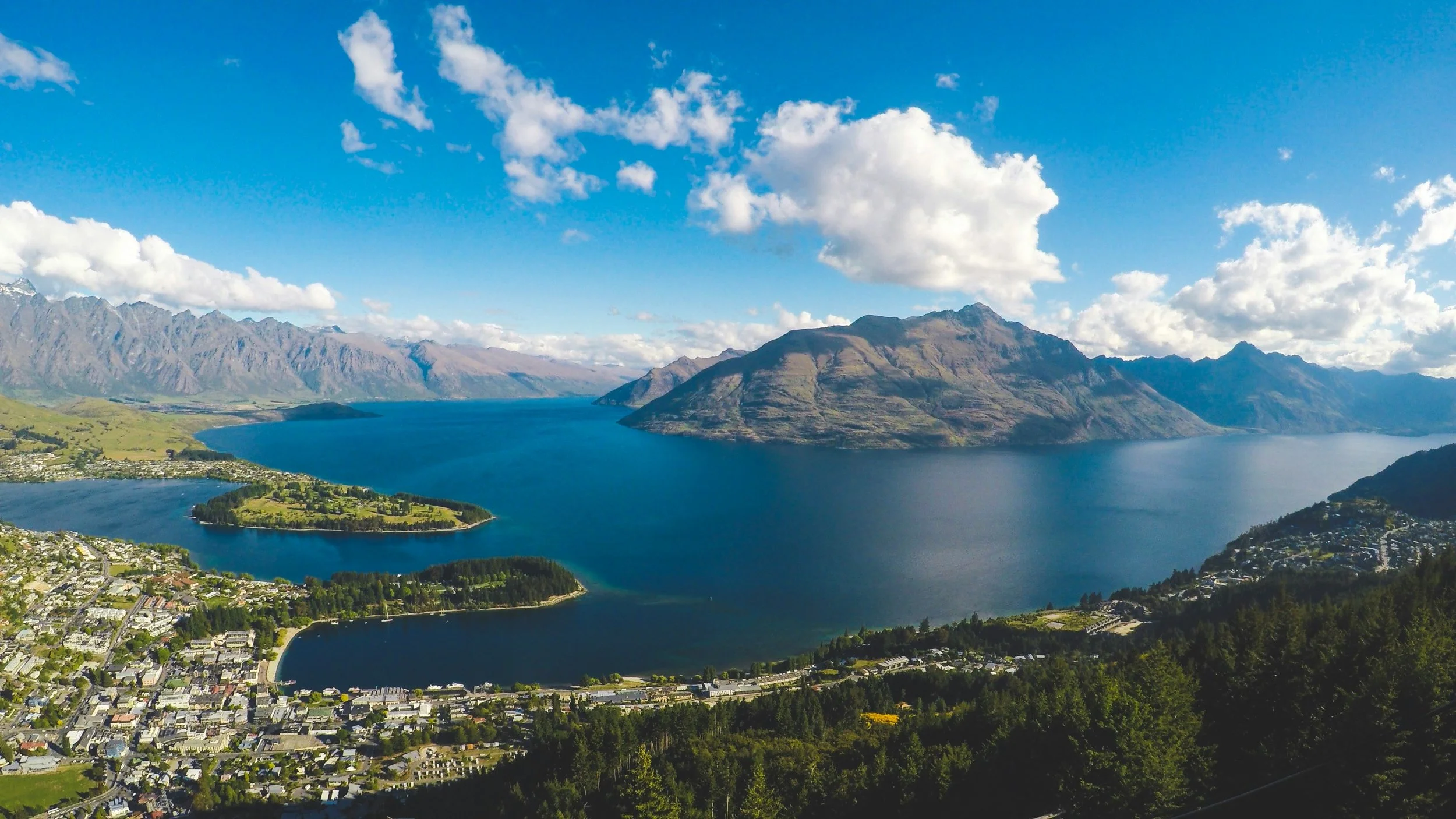
Queenstown is one of New Zealand’s most famous destinations, set beside Lake Wakatipu and surrounded by the Southern Alps.
Known internationally for adventure tourism, alpine scenery, hospitality, and outdoor experiences, Queenstown is a strong example of how tourism shapes a regional economy. It gives students a chance to explore destination branding, visitor management, service industries, sustainability pressures, and the balance between growth and environmental responsibility.
A Custom Route for Every Program
Not every Bridge South program visits every destination. Some programs may focus on Auckland, Rotorua, and the central North Island, while others may include Wellington, Christchurch, Queenstown, or even a possible Australia extension.
The final route depends on the university’s academic goals, program length, travel dates, budget, and student interests. Bridge South helps faculty shape an itinerary that makes sense - not just geographically, but also academically and experientially.